Design with the End in Mind: Successful Strategies Start Backwards
When it comes to research or strategy, one of the biggest mistakes marketers make is starting with the process instead of the purpose. “Design with the end in mind” flips that thinking completely. It’s a mindset that asks one simple question before anything else: “What do you want to know and why does it matter?”
In marketing research, this concept means tying every decision back to your final goal. This can range from who you survey, what questions you ask, and what data you collect, back to your final goal. You’re not just gathering information, you’re building toward the story you want your results to tell.
For example, research teams often ask clients: “If we were done five weeks from now, what would you ideally want to have learned?” That question forces you to think ahead and to visualize what success looks like at the end of the project. From there, the team can reverse-engineer the process to design a plan that directly delivers those insights.
Applying It Beyond Research
The same principle applies far beyond marketing research. In fact, it’s one of the most valuable ways to approach content strategy, campaign planning, and even creative production. Before launching any campaign, think about what success looks like at the finish line.
If your goal is community growth: You might start by defining what engagement means to your brand. Is it comments, reposts, or likes? Then you can design your content plan around formats that encourage those outcomes.
If your goal is conversions: You might collect UGC that shows real people using your product in authentic settings, because those visuals have the most influence at the decision-making stage.
Bringing It to Life
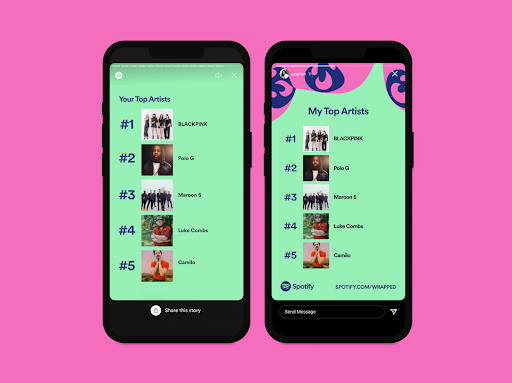
Think about Spotify Wrapped. It’s a campaign built entirely around this mindset. Spotify’s team knew the end goal was connection. They designed the entire experience so that users would feel seen and eager to share their stories.
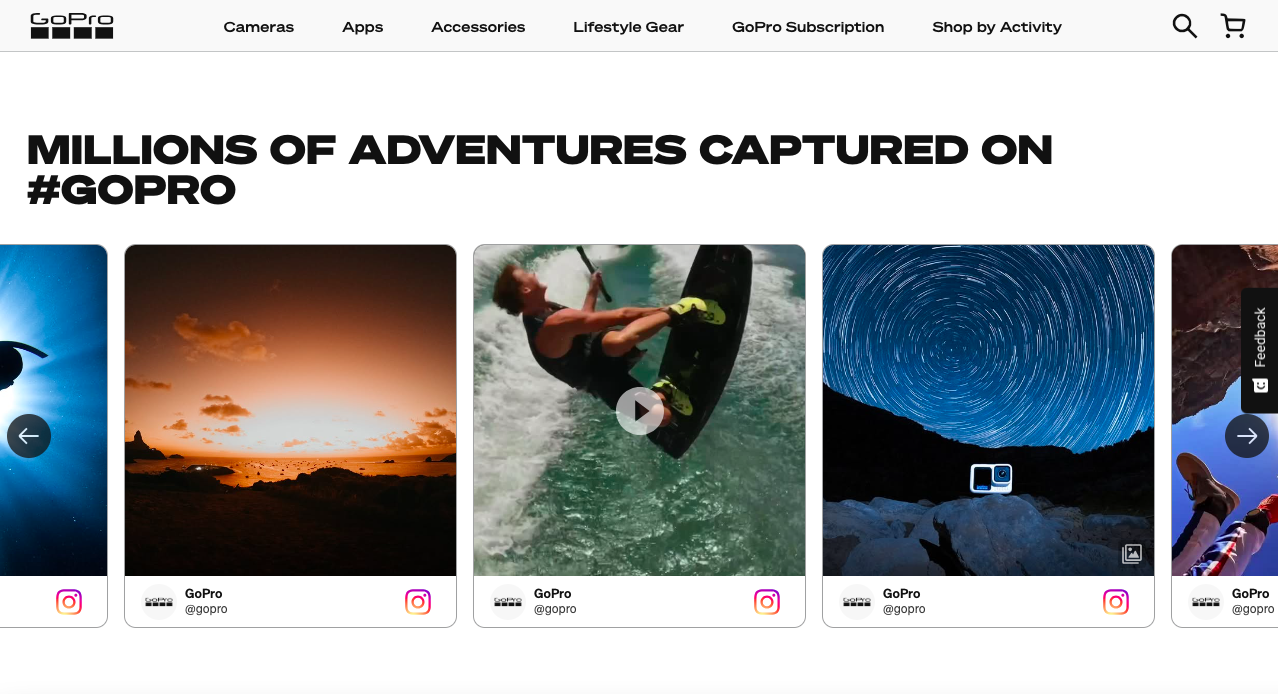
We also have GoPro’s website, which practically runs on UGC. Their goal is to inspire action and showcase the product through real users. Every design choice, from the homepage to the product pages, supports the end.
Designing with the end in mind isn’t just a research technique. It’s a mindset for smarter marketing. Because whether it’s a five-week research plan or a five-second piece of content, the best strategies always begin where they’re meant to end - with purpose.
